Report on the International Meeting of Pallottine Coordinators of the Apostolate for Children
Publication date: 06-08-2026
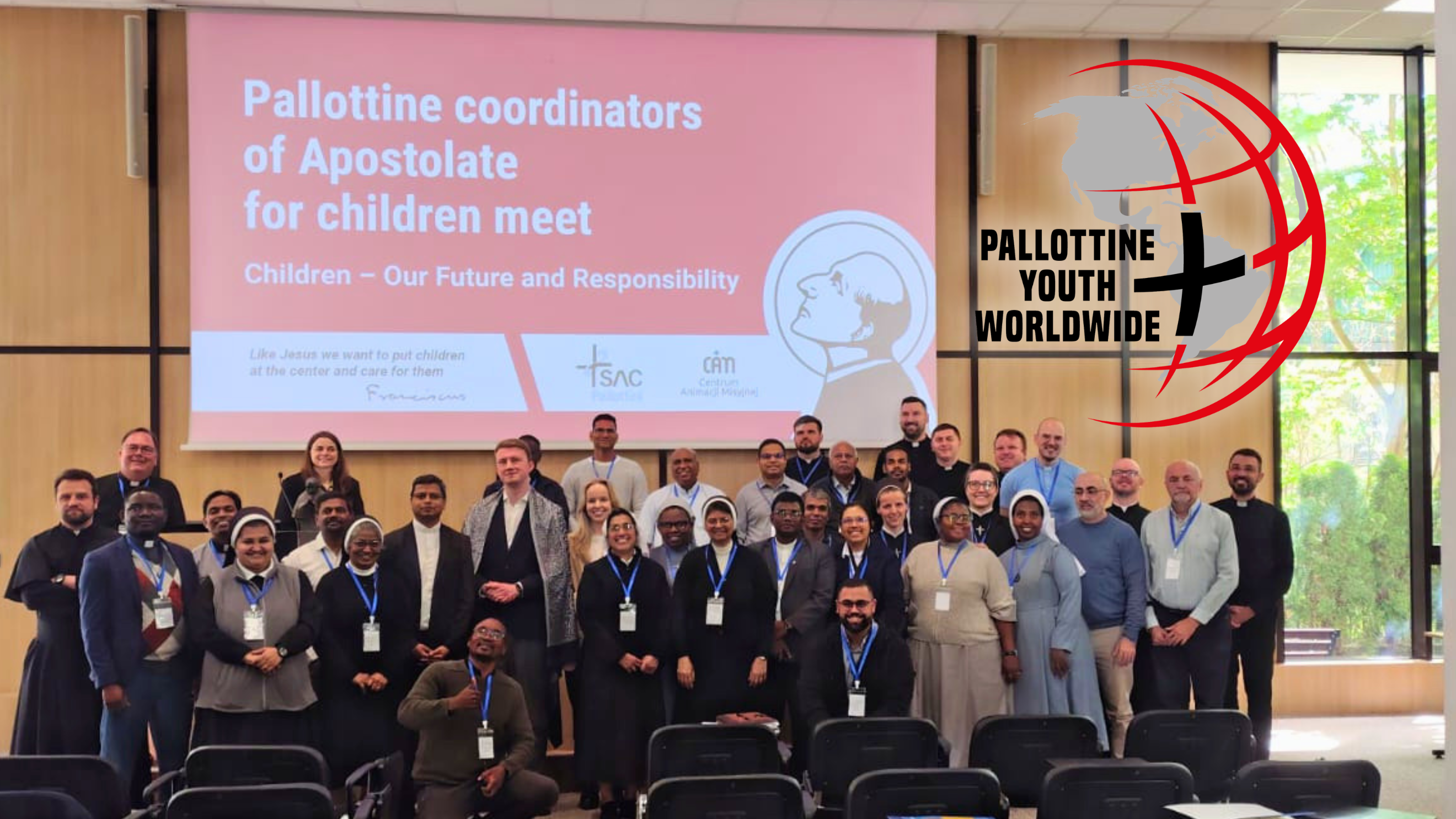
Theme: “Children – Our Future and Responsibility”
Konstancin-Jeziorna, Poland | 12–17 May 2026
Introduction
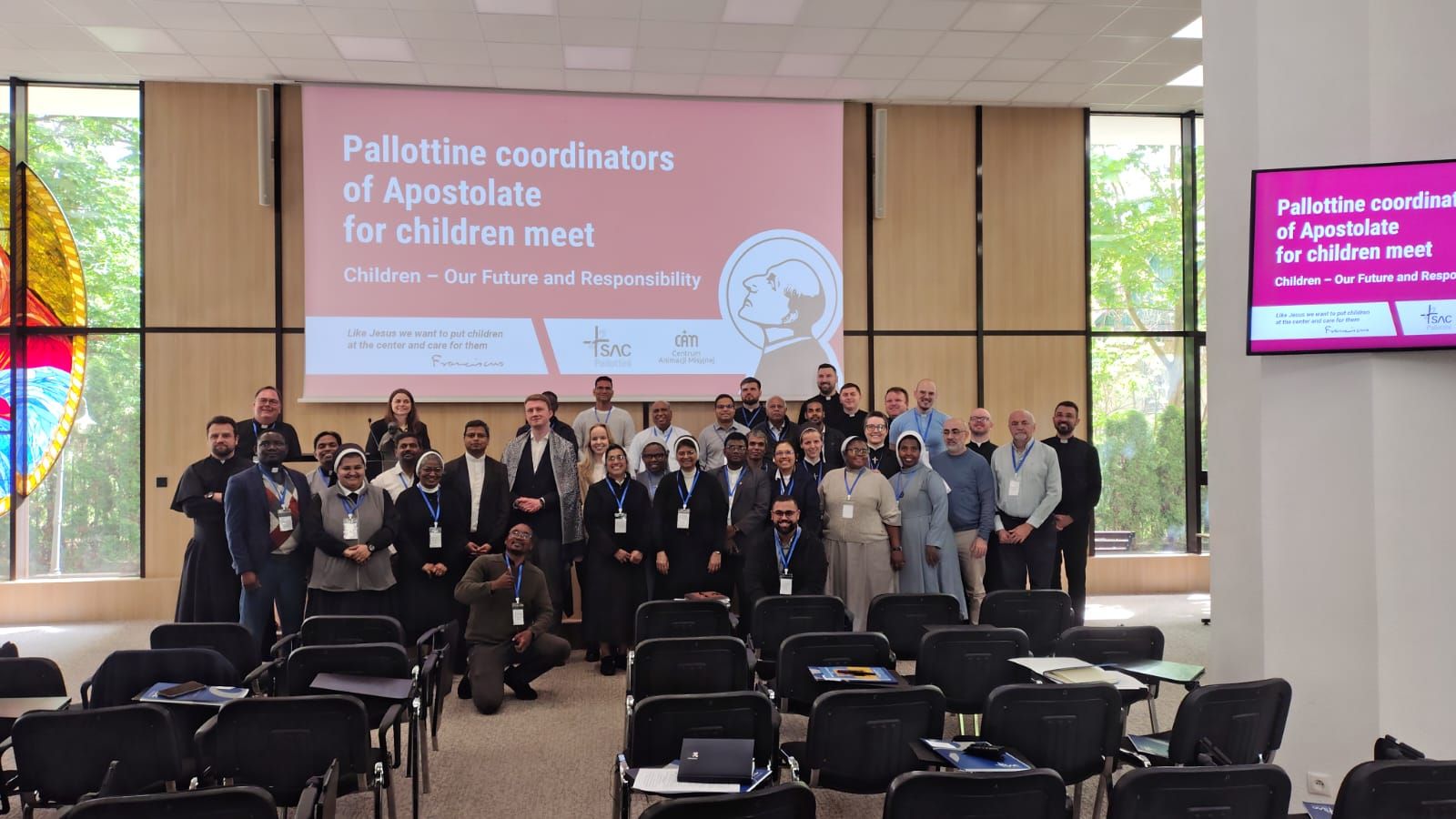
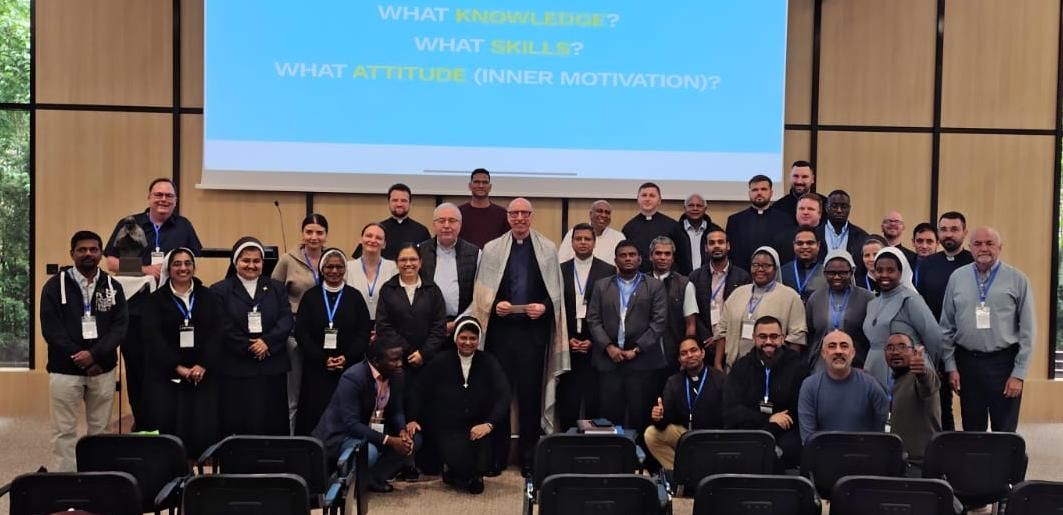
The General Secretariat for the Apostolate of the Society of the Catholic Apostolate organized the International Meeting of Pallottine Coordinators of the Apostolate for Children at the Centre for Apostolate and Mission in Konstancin-Jeziorna, near Warsaw, Poland. The meeting brought together approximately forty Pallottine priests, sisters, collaborators, and coordinators from eighteen countries, all engaged in the apostolate with children in diverse cultural and pastoral contexts. It was an important moment of communion, formation, reflection, and planning for the future of this significant dimension of the Pallottine mission.
The theme of the meeting, “Children – Our Future and Responsibility,” expressed the conviction that children are not only the future of the Church and society, but also a living and active presence in the Church today. The participants were invited to reflect on the dignity of children, their need for protection and accompaniment, and their capacity to participate in the mission of the Church according to their age and maturity. In the spirit of Saint Vincent Pallotti, the meeting emphasized that the apostolate with children must integrate care, formation, safeguarding, evangelization, and missionary responsibility.
Opening of the Meeting
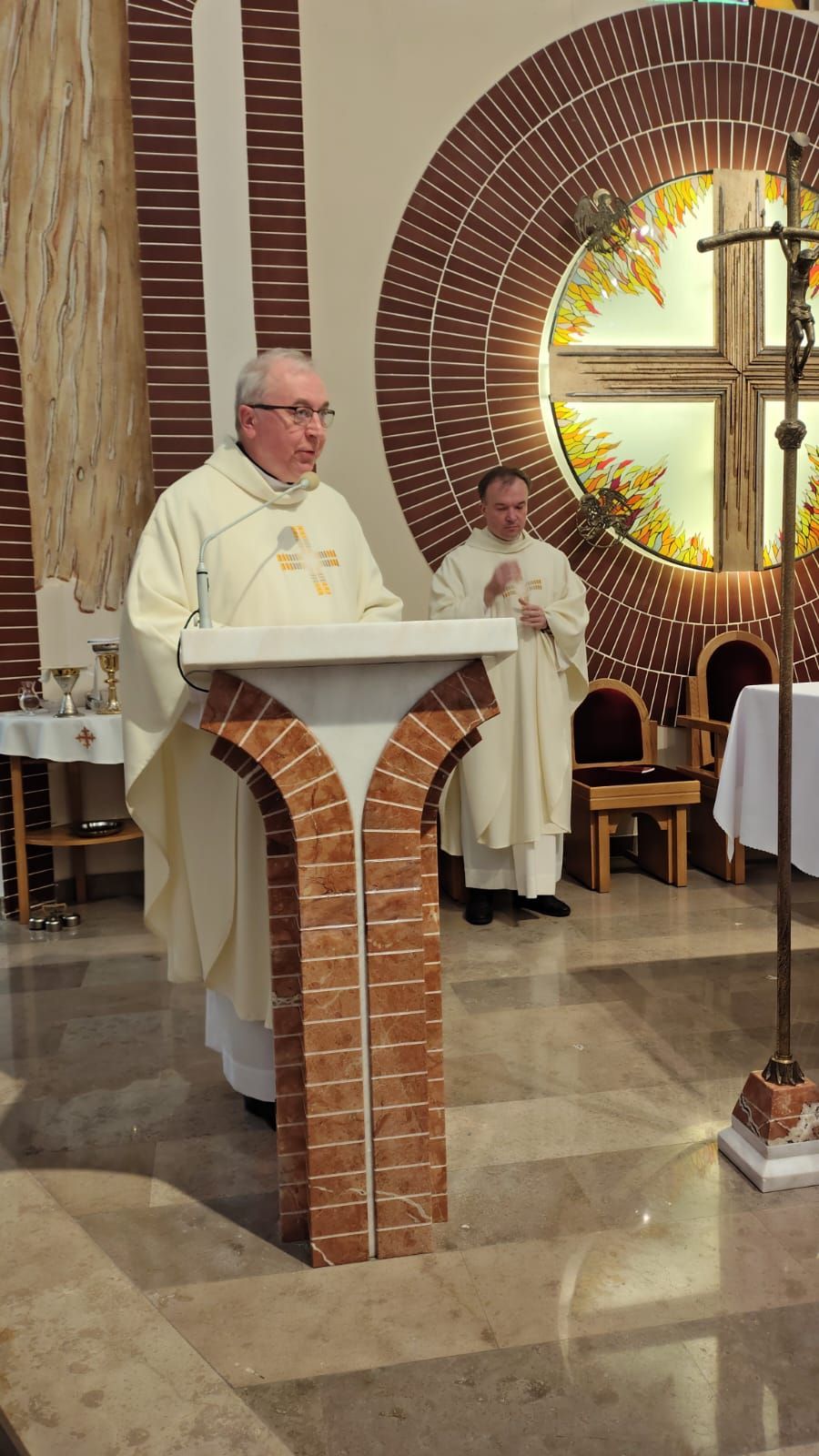
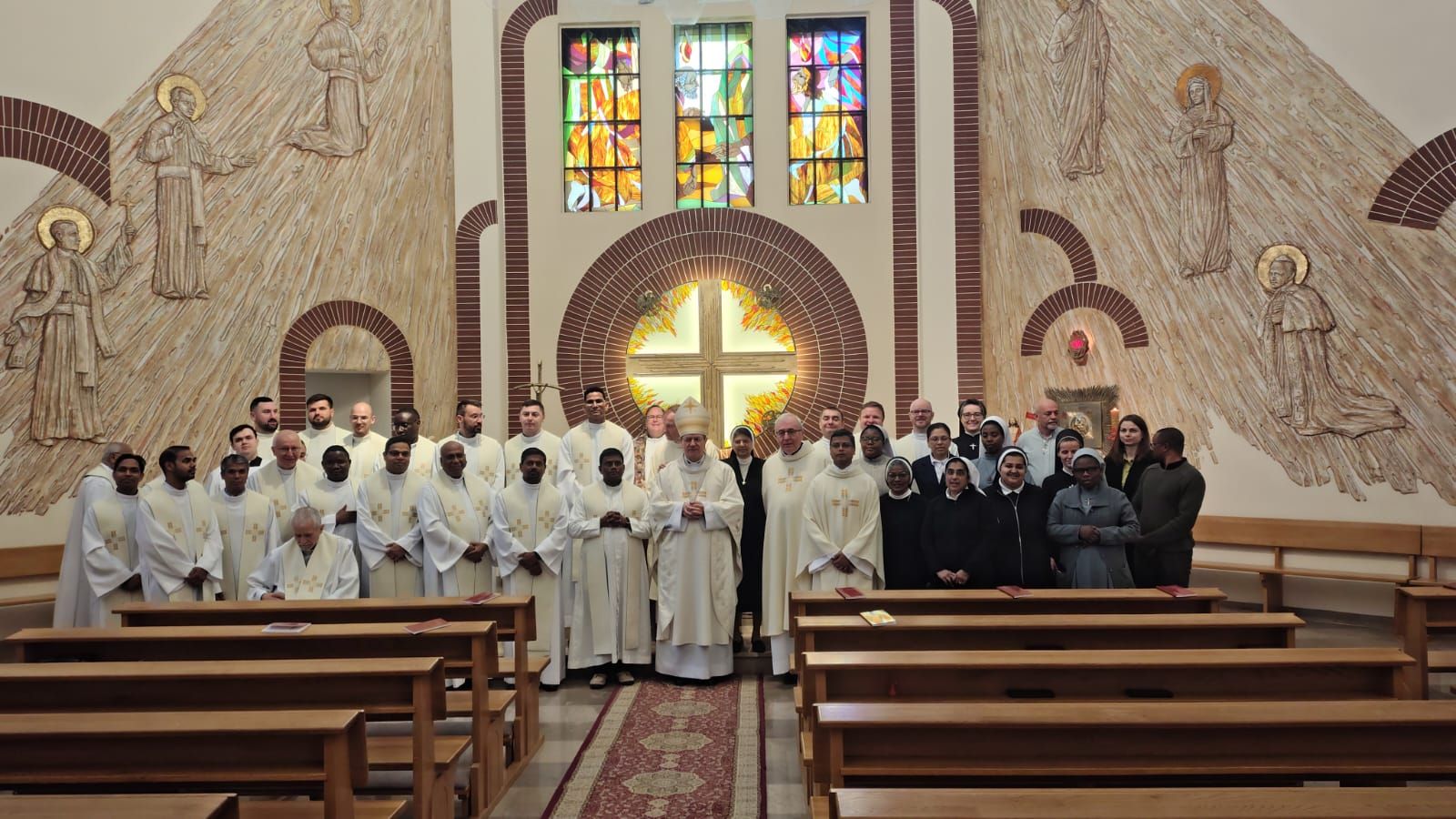
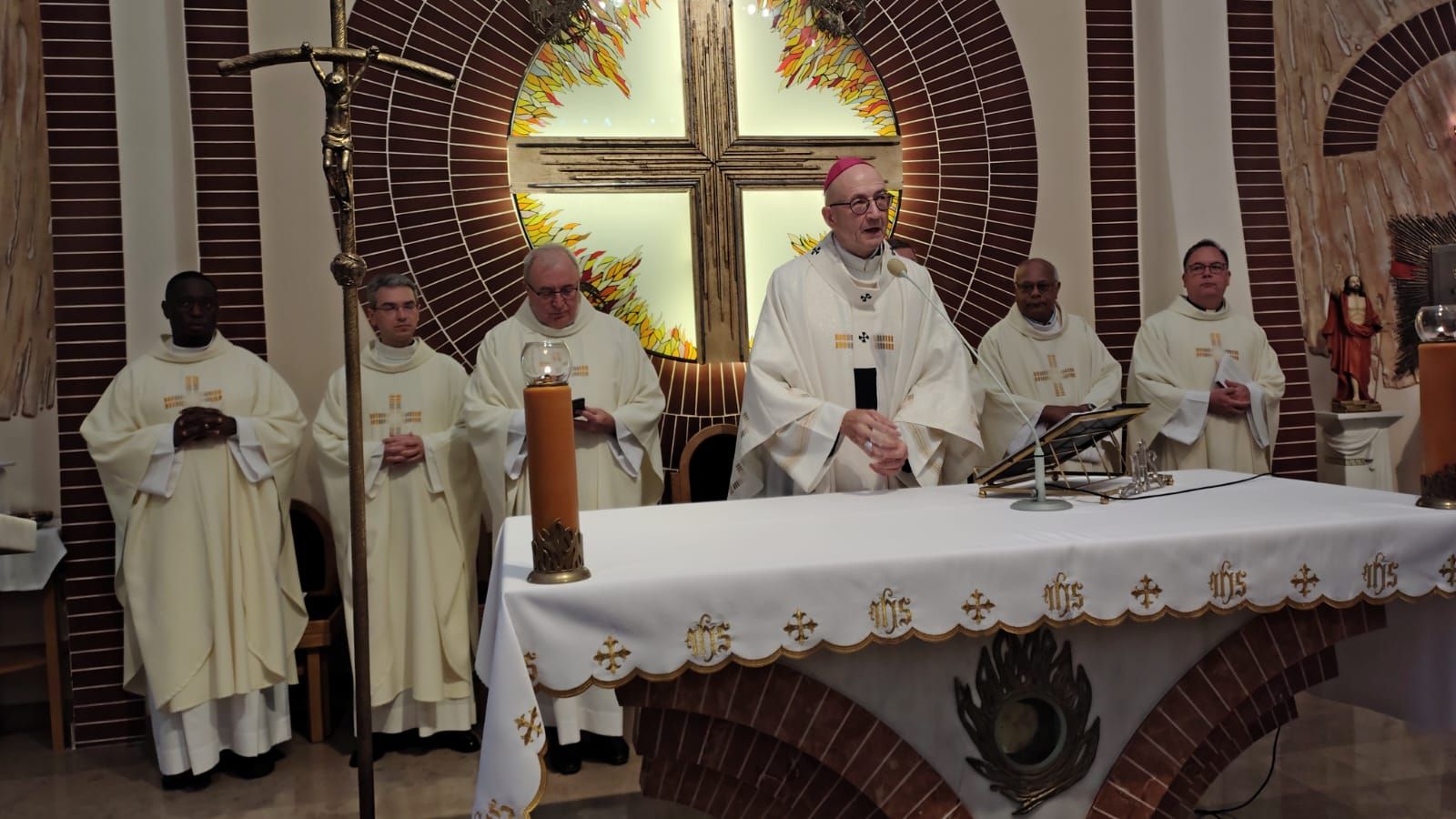
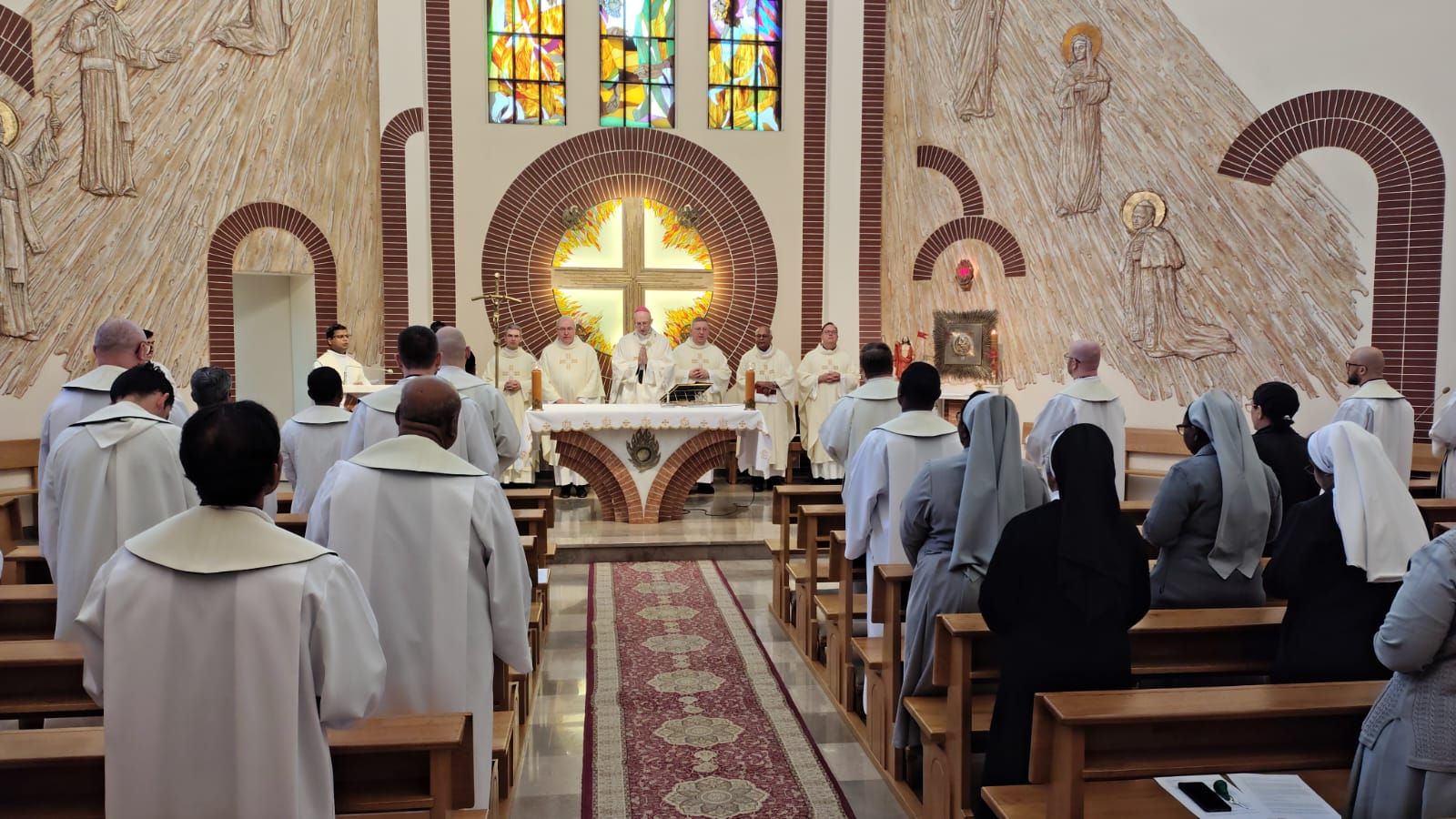
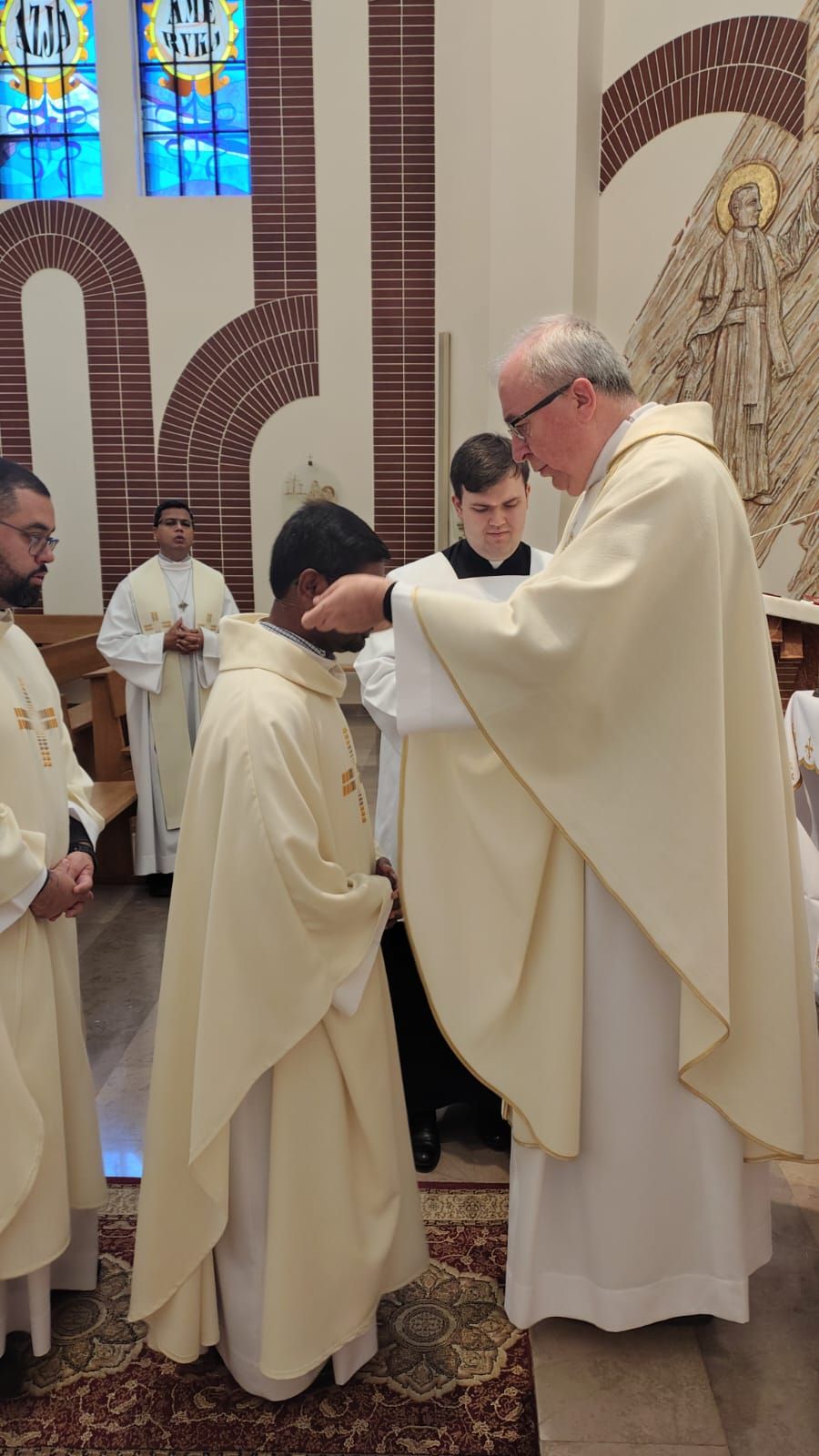
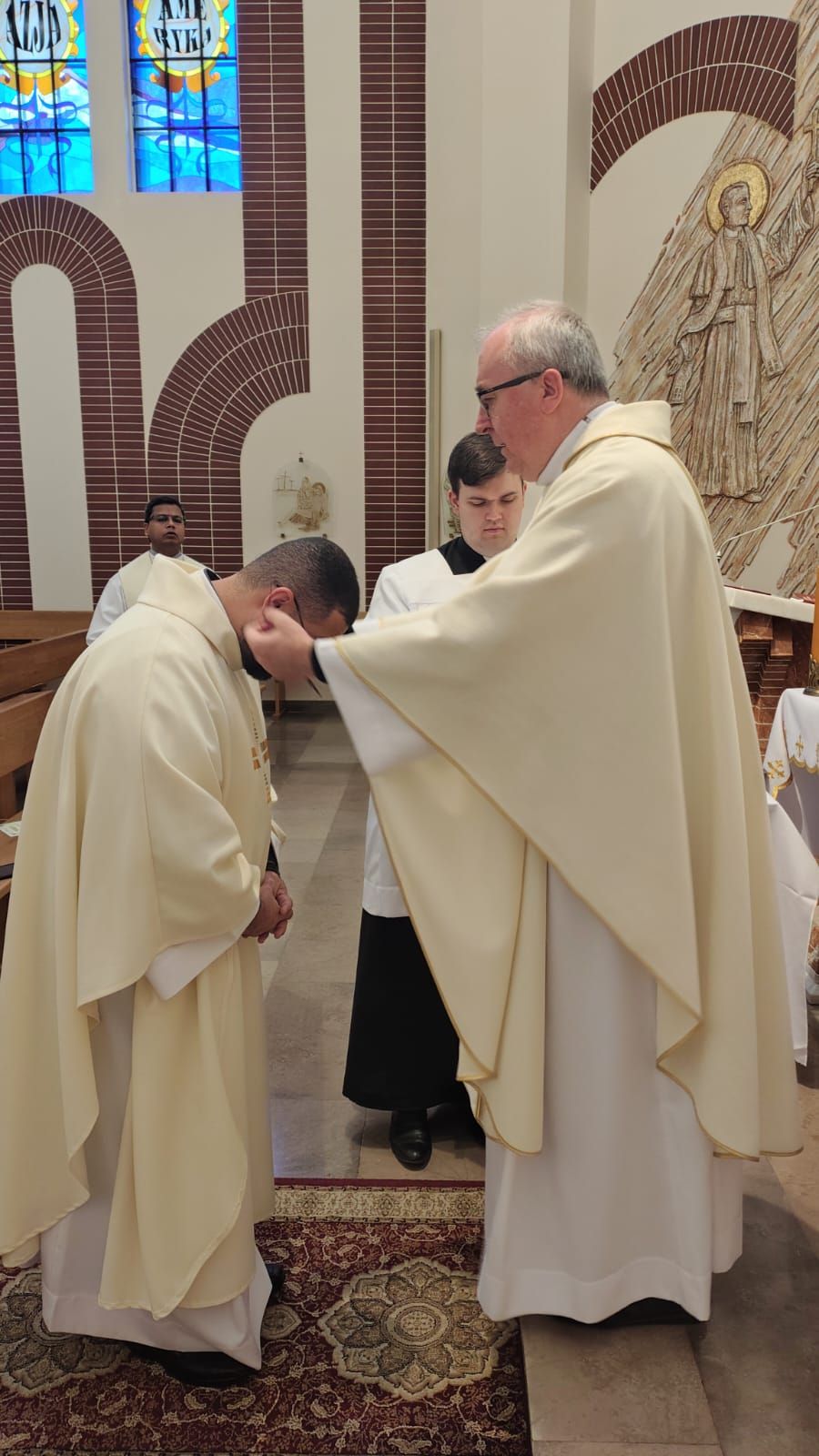
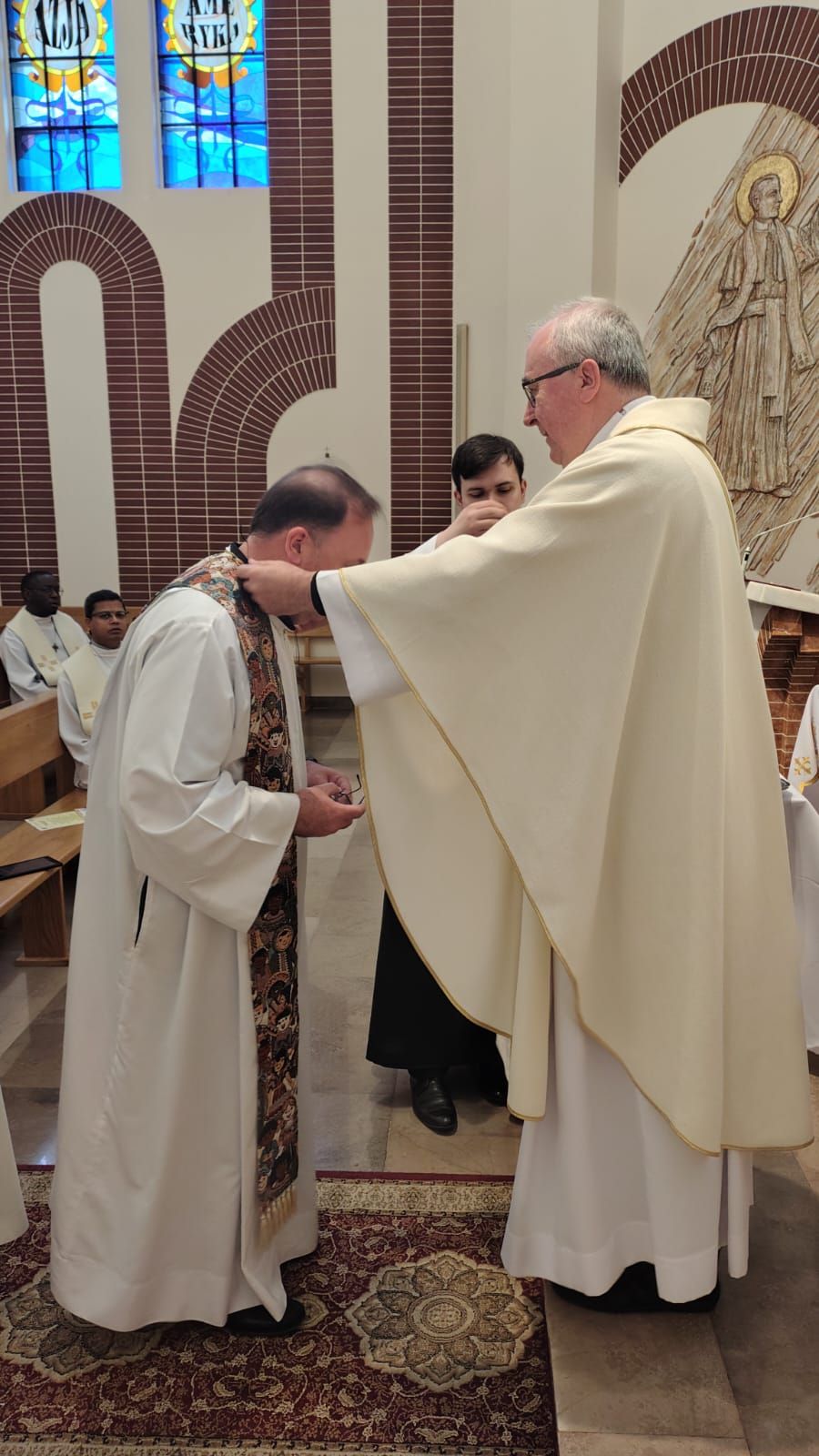
The meeting opened with the celebration of the Holy Eucharist, presided over by His Eminence Tadeusz Wojda SAC, Archbishop of Gdańsk. His presence gave the gathering a special ecclesial significance and strengthened the participants’ sense of communion with the wider Church. During the inaugural ceremony, the participants were welcomed in a spirit of fraternity and shared responsibility.
Very Rev. Fr. Zenon Hanas SAC, Rector General of the Society of the Catholic Apostolate, expressed his joy at the gathering and underlined the importance of the Pallottine mission in favour of children. Fr. Rahul Philips SAC, General Secretary for the Apostolate and organizer of the meeting, welcomed all participants and noted that the diversity of nations, cultures, languages, and pastoral experiences represented at the meeting was itself a sign of the universality of the Pallottine charism.
In his opening address, Fr. Rahul emphasized that children are a sacred trust entrusted by God to the Church and to society. Recalling the words of Jesus, “Let the little children come to me,” he invited the participants to consider how Pallottines today can become better instruments of God’s love for children. He also acknowledged the many challenges children face in the contemporary world, including poverty, war, family instability, emotional loneliness, digital risks, exploitation, and the loss of faith. For this reason, he stressed that the response of the Pallottine Family must be intentional, creative, spiritually grounded, and deeply committed to child protection, dignity, and integral human development.
The participants were also blessed by the gracious presence of His Excellency Adrian Galbas SAC, Archbishop of Warsaw, who celebrated the Holy Eucharist for the group and offered an inspiring homily on the care of children and our shared responsibility toward them.
Major Conferences and Reflections
The first major reflection was offered by Mr. Krzysztof Goworek, National Secretary of the Pontifical Society of the Holy Childhood in Poland, who presented the theme “Children – Our Future and Responsibility: A Theological Perspective.” His presentation rooted the apostolate with children in Sacred Scripture, the teaching of the Church Fathers, and the missionary tradition of the Church. He reminded the participants that children are a gift from God, that they must be formed in faith, and that the transmission of faith to future generations is a sacred responsibility. He also presented the work of the Pontifical Society of the Holy Childhood, founded in 1843, with its beautiful motto, “Children helping children.” This perspective helped participants to see children not merely as recipients of pastoral care, but also as young missionary subjects capable of prayer, solidarity, generosity, and evangelization.
A particularly important session was given by Very Rev. Fr. Zenon Hanas SAC on “Human Intelligence and Artificial Intelligence: Roles, Differences, and Influence on Child Development.” His reflection offered both a historical and ethical understanding of intelligence, distinguishing human intelligence from artificial intelligence. He emphasized that artificial intelligence can be useful in education and learning, but it must always remain a tool at the service of the human person. The session invited participants to consider the impact of AI on children’s cognitive, social, emotional, linguistic, and spiritual development. Special attention was given to the need to educate children, parents, and educators in critical thinking, ethical discernment, digital responsibility, and the cultivation of silence, creativity, conscience, and authentic human relationships.
Another central contribution was given by Rev. Fr. Daniel Rocchetti SAC, who spoke on “Caring, Forming, and Sending: Developments of the Pallottine Charism in the Apostolate with Children Today.” His presentation placed the apostolate with children within the historical and spiritual heritage of Saint Vincent Pallotti. He recalled how Pallotti responded to the social challenges of nineteenth-century Rome through educational, catechetical, and charitable initiatives for children and young people, especially the poor and abandoned. Fr. Daniel emphasized that Pallotti’s approach was not limited to material assistance, but integrated care, education, spiritual formation, and community involvement. This remains a living inspiration for the Pallottine mission today. The presentation developed three key dimensions: caring, forming, and sending. In this perspective, the apostolate with children is not only about doing something for children, but also about walking with them and helping them discover that they too are called to participate in the mission of the Church.
Safeguarding, Digital Culture, and Contemporary Challenges
The meeting also reflected deeply on the importance of safeguarding and the protection of minors, especially through the contributions of Ms. Ewa Kusz, a member of the Pontifical Commission for the Protection of Minors, and Fr. Moises Marin Perez, delegate for the protection of children, young people, and vulnerable persons in the Archdiocese of Warsaw. The participants recognized that every apostolate with children must be carried out within clear ethical standards, adequate formation, and strong safeguarding protocols. The discussions underlined that the Church’s care for children must be credible, transparent, and responsible. Protection is not an optional element, but an essential part of evangelization. To care for children in the name of Christ means to create safe environments, to listen to children, to form adults properly, and to ensure that every pastoral initiative respects the dignity and vulnerability of minors.
In addition, the meeting addressed the challenges and opportunities presented by digital culture through the contribution of Rev. Fr. Krzysztof Marcynski SAC. The reflections on technology showed that smartphones, digital media, and artificial intelligence are not simply enemies of childhood; rather, they require mature guidance, appropriate limits, and pastoral accompaniment. Technology can become a tool for learning, creativity, and communication when it is placed within a relationship of trust and responsible adult guidance. Without proper accompaniment, however, it can expose children to isolation, manipulation, exploitation, and serious moral and psychological harm. Therefore, the apostolate with children today must also include the formation of families, educators, and pastoral workers in digital responsibility.
A particularly moving conference was given by Rev. Fr. Vyacheslav Grynevych SAC, Executive Director of Caritas-Spes Ukraine, on caring for and educating children in the context of unjust war and violence. His testimony helped participants to recognize the wounds carried by children in situations of conflict and displacement, and the urgent need for pastoral closeness, protection, and hope. Ms. Monika Mostowska, Vice President of the Salvatti Foundation, offered a beautiful and concrete reflection on human formation and education in faith today. Fr. Jacek Wrobel SAC addressed the pastoral dimension of working with children, highlighting the importance of communication skills, storytelling, listening, and relational sensitivity in the apostolate.
Visits and Shared Experiences
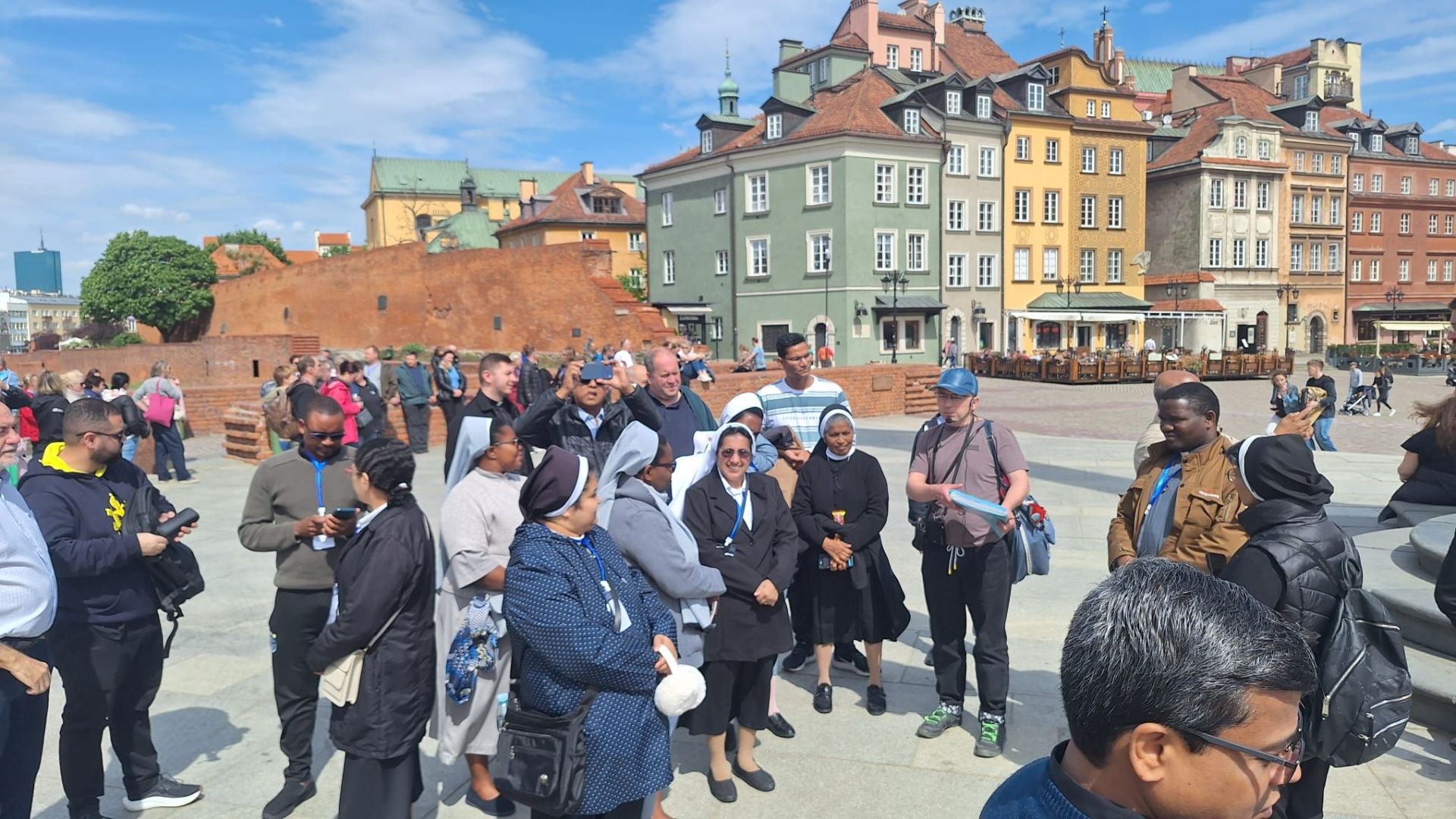
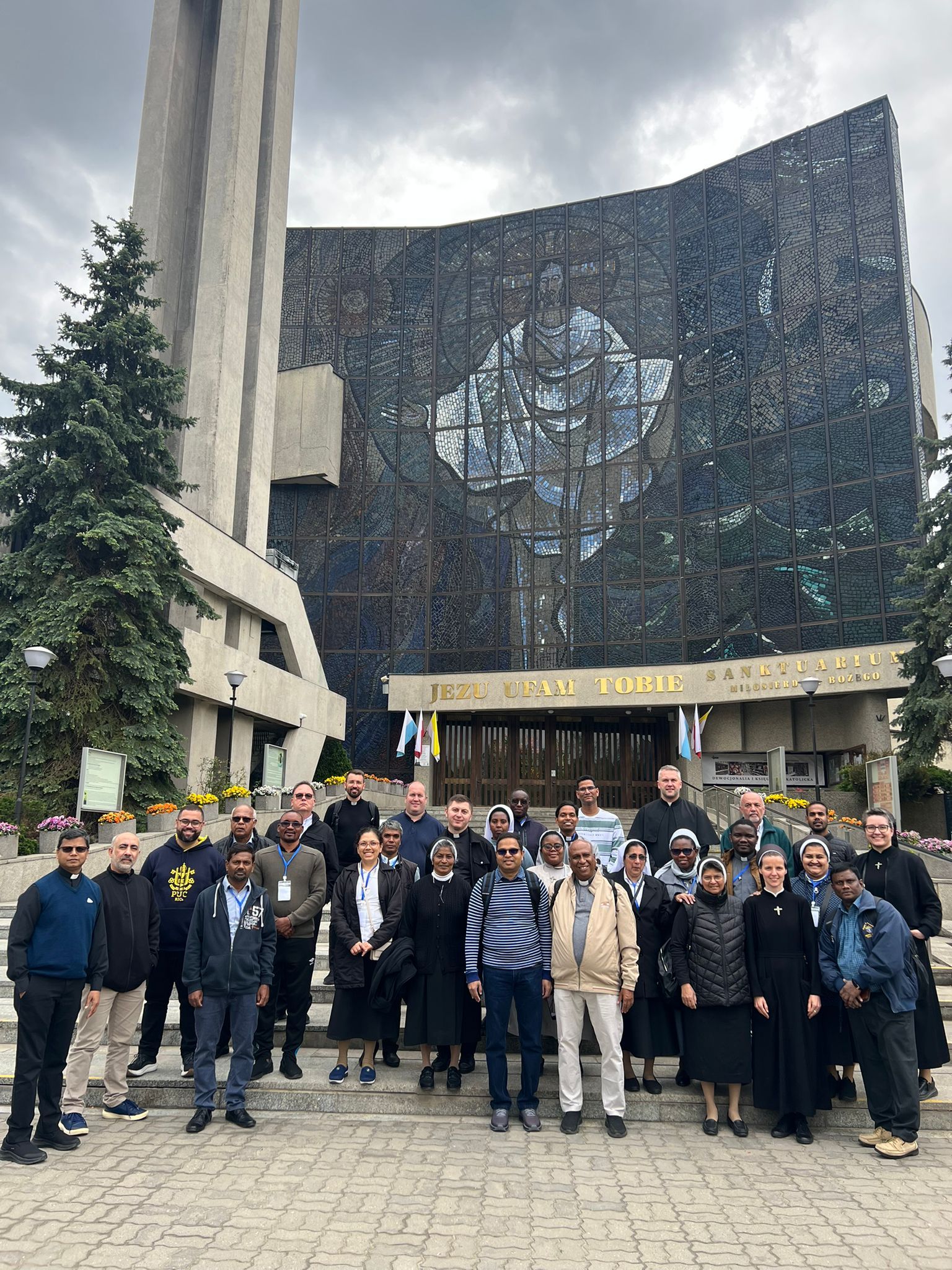
The participants also had the opportunity to encounter the city of Warsaw and to visit the Shrine of Niepokalanow, associated with Saint Maximilian Kolbe. They also visited a Pallottine school and the Major Seminary in Ołtarzew. These moments enriched the meeting by connecting reflection with concrete Pallottine and ecclesial realities, and by deepening the bonds among the participants.
Group Discussions and Important Resolutions
An important part of the meeting was dedicated to group discussions. These moments gave participants the opportunity to share their own experiences, challenges, pastoral methods, and hopes regarding the apostolate with children in their respective Provinces, Regions, communities, parishes, schools, and social institutions. The sharing was rich and concrete, because each participant brought the reality of his or her own country and mission. The groups reflected on how the Pallottine charism can be lived more effectively in favour of children today, especially in contexts marked by poverty, migration, family fragility, religious diversity, digital risks, lack of formation, and the urgent need for safeguarding.
The group discussions helped participants identify important priorities and resolutions for the future. Among the most significant points was the commitment to strengthen the care of children in each local reality, according to the needs and possibilities of each context. Participants emphasized the need to promote safe environments, develop or strengthen child-protection policies, offer better formation for pastoral workers, seminarians, catechists, teachers, animators, and volunteers, and involve families more actively in the apostolate with children. It was also considered important to create pastoral initiatives in which children are not only cared for, but also formed and encouraged to participate in missionary activities suitable to their age.
The participants resolved to continue promoting an integral vision of the apostolate with children. This means caring for their physical, emotional, spiritual, educational, and social needs. It also means giving particular attention to vulnerable children, children affected by poverty or exclusion, children exposed to violence or abuse, and children who lack adequate family or pastoral accompaniment. The meeting encouraged each participant to return to his or her own reality with renewed responsibility and to seek concrete ways to improve the quality of the apostolate with children, always in collaboration with local communities, families, schools, parishes, and competent professionals.
Family Spirit and Pallottine Communion
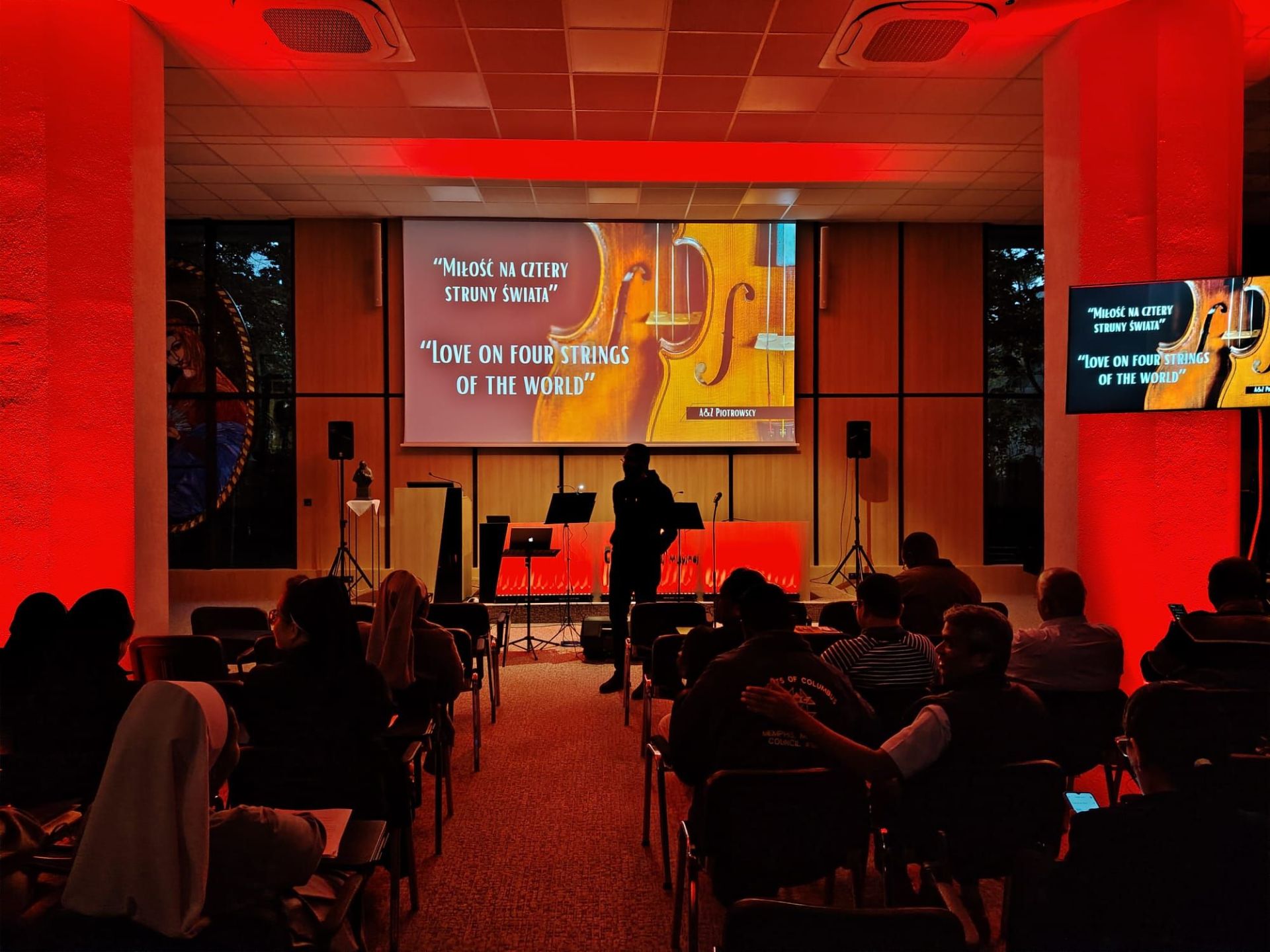
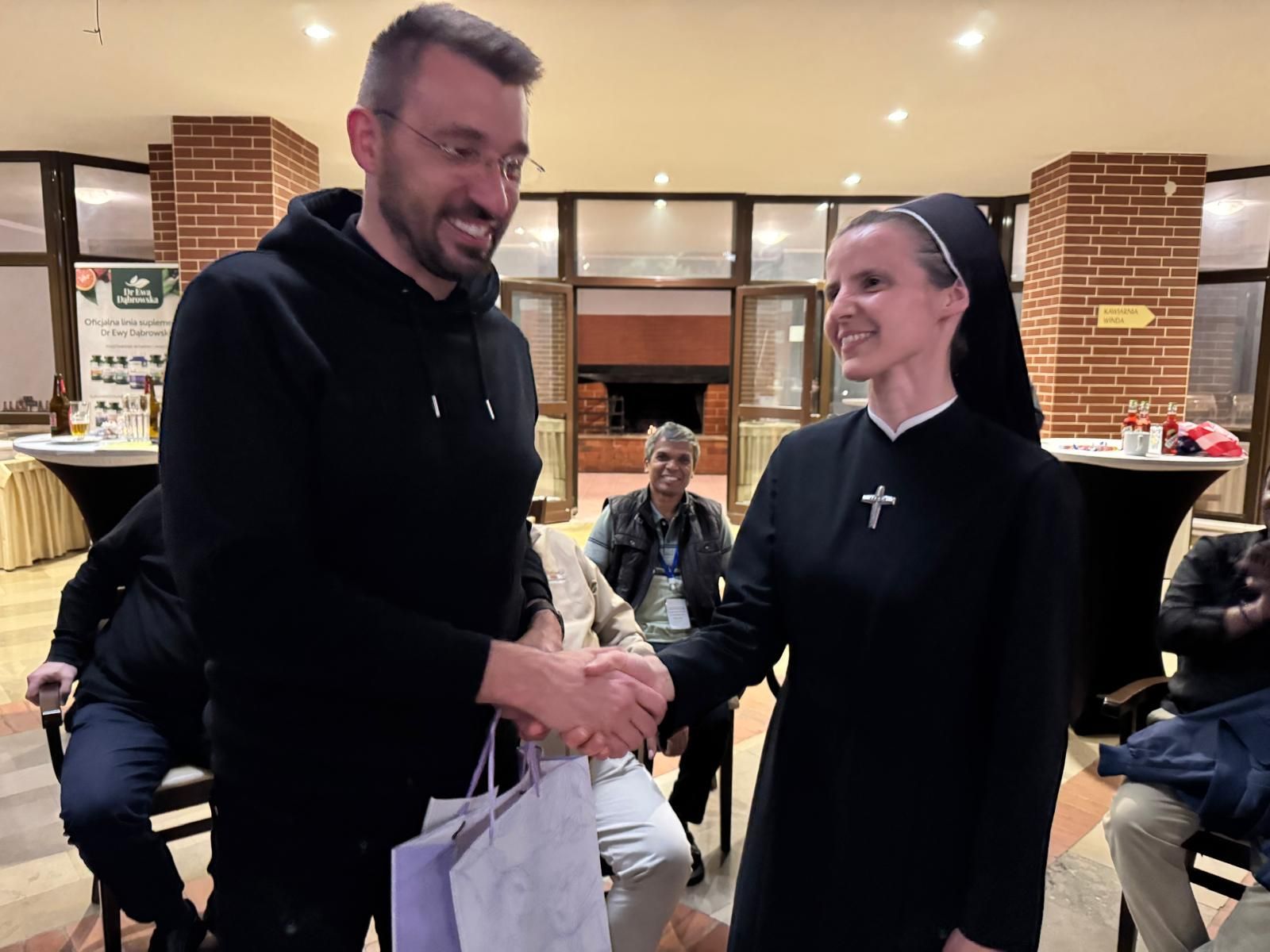
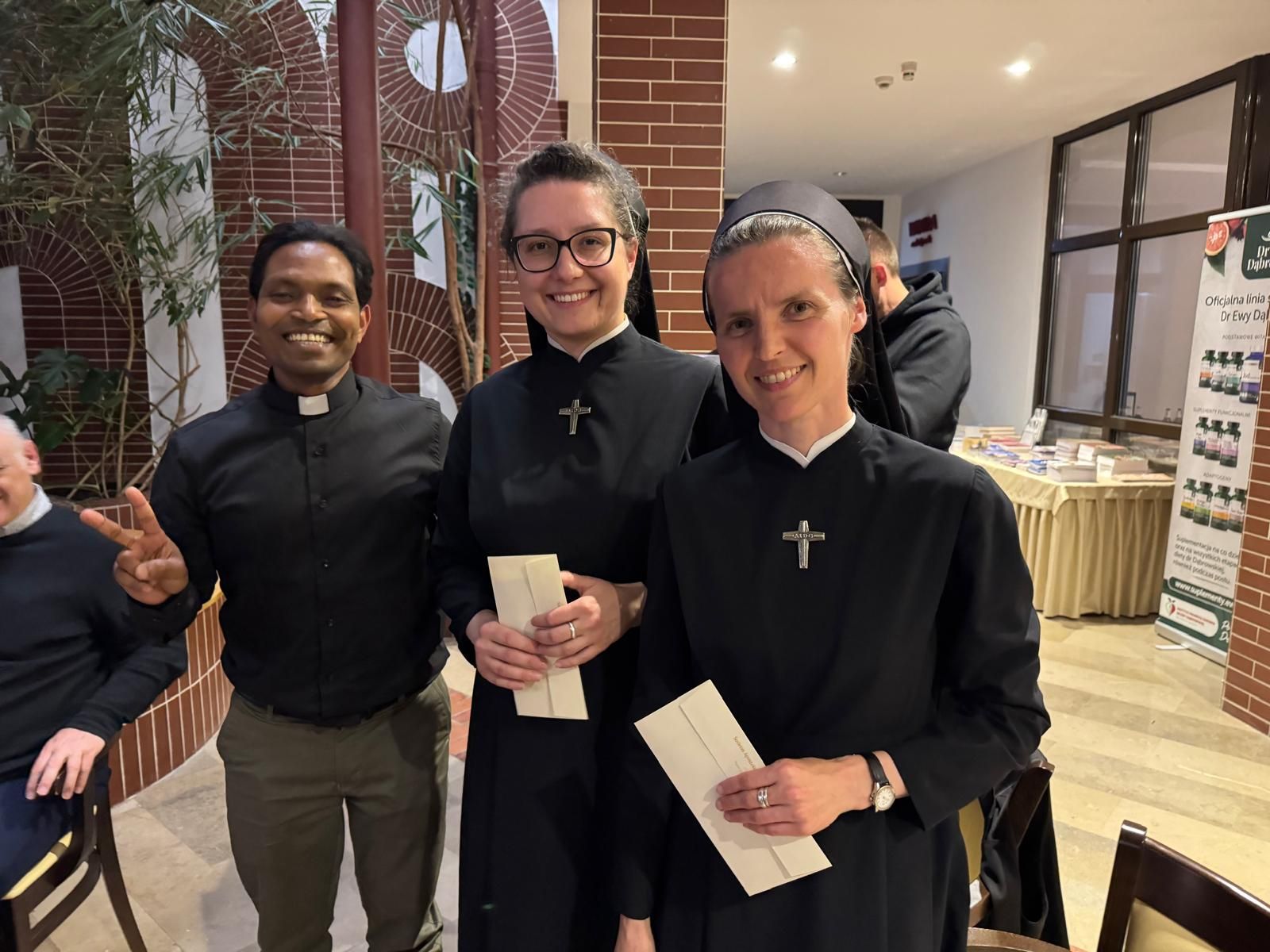
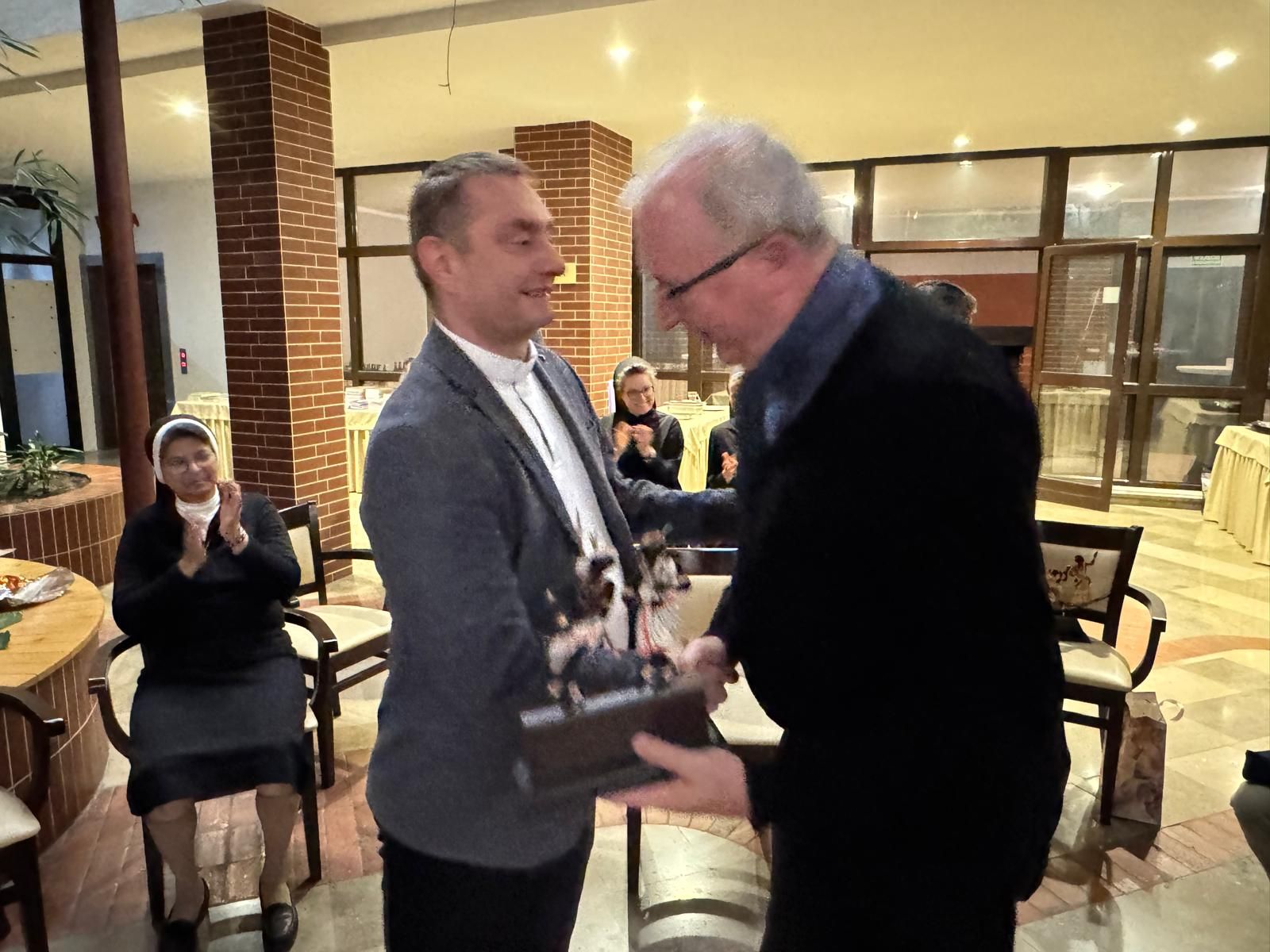
Throughout the meeting, a good family spirit prevailed. The participants experienced an atmosphere of fraternity, simplicity, mutual respect, and joyful collaboration. Prayer, common meals, informal conversations, cultural exchange, and shared reflections helped to create a true Pallottine family environment. The diversity of languages, cultures, and pastoral experiences did not create distance; rather, it enriched the meeting and deepened the sense of belonging to one apostolic family. Many participants expressed gratitude for the opportunity to meet one another, to listen to different realities, and to discover that the mission with children unites the Pallottine Family across continents.
Conclusion and Future Commitment
The meeting concluded with a renewed awareness that the Pallottine apostolate with children must be faithful to its roots and creative in responding to the signs of the times. The participants were encouraged to strengthen international collaboration, exchange pastoral experiences, develop suitable formation materials, promote safeguarding practices, and create spaces where children can participate actively in prayer, service, solidarity, and missionary initiatives. The meeting was therefore not only a conference, but also a moment of ecclesial discernment, apostolic renewal, and concrete commitment.
In conclusion, the International Meeting of Pallottine Coordinators of the Apostolate for Children was a significant step in strengthening the Pallottine commitment to children across the world. It reaffirmed that children are a gift, a responsibility, and a mission. To care for them is to serve life; to form them is to prepare the future of the Church; to send them is to recognize that even the youngest members of the People of God can become witnesses of faith, charity, and hope. Guided by the example of Saint Vincent Pallotti, the Pallottine Family is called to continue this mission with love, competence, courage, and renewed apostolic zeal.
To share the content and fruits of this meeting more widely, it was decided to prepare a publication on this important theme, so that the reflections, experiences, and resolutions may reach as many Pallottine confreres, sisters, collaborators, and pastoral workers as possible.
Acknowledgements
We express our sincere gratitude to all those who helped make this important event possible. In a special way, we thank Very Rev. Fr. Zenon Hanas SAC, Rector General, for his gracious presence and constant support; Very Rev. Fr. Frank Donio SAC, Provincial Rector of the Immaculate Conception Province, USA, for his generous sponsorship and important financial assistance, which enabled wider participation; and the Provincials of the Warsaw and Poznań Provinces for their hospitality.
We also thank Fr. Wojciech Swiderski SAC, Director of the Centre for Mission Animation in Konstancin-Jeziorna, for the warm welcome and generous hospitality that made everyone feel at home. Finally, we thank all the members of the General Secretariat for the Apostolate, especially Fr. Kamil Wolan SAC, Fr. Charles Lafferty SAC, and Fr. Eusebio Mauaie SAC, for their generous collaboration and dedicated service in the preparation and realization of this fruitful meeting.
Read more news:
11.08.2025
07.08.2025
21.07.2025
09.06.2025
08.06.2025
06.06.2025
02.06.2025
06.05.2025
24.07.2024


